
Tips for Creating a Relaxing Home Workspace to Boost Productivity
Creating a workspace at home that is both relaxing and productive can be a game-changer for your daily routine. Whether you work remotely full-time or just need a quiet corner for occasional projects, a well-designed workspace helps reduce stress and improve focus. This post offers practical tips to help you set up a home office that supports your work and well-being.
Why a Relaxing Workspace Matters
When your workspace feels cluttered or uncomfortable, it can be distracting and make it hard to concentrate. A relaxing environment can reduce anxiety and make tasks feel more manageable. Creating a dedicated area for work also helps separate professional and personal life, especially important when working from home.
Choose the Right Location
1. Find a Quiet Spot
Select a space away from high-traffic areas like the kitchen or living room. Minimizing noise and interruptions helps maintain focus throughout the day.
2. Make Use of Natural Light
Natural light boosts mood and energy while reducing eye strain. Position your desk near a window if possible, or choose a bright room with ample daylight.
Invest in Comfortable Furniture
Comfort is key to staying productive and avoiding fatigue.
– Ergonomic chair: Choose a chair that supports your back and encourages good posture.
– Desk at the right height: Your desk and chair should allow your arms to rest comfortably when typing.
– Footrest: If your feet don’t touch the floor, a footrest can improve circulation.
Organize for Efficiency and Calm
Clutter can cause stress and distraction. Organizing your materials creates a streamlined workspace.
– Use drawers or organizers for supplies.
– Keep only the essentials on your desk.
– Regularly declutter to maintain a clean area.
Add Personal and Soothing Touches
Personalizing your workspace can make it more welcoming and calming.
– Plants: Adding greenery can reduce stress and improve air quality.
– Artwork or photos: Choose images that inspire or relax you.
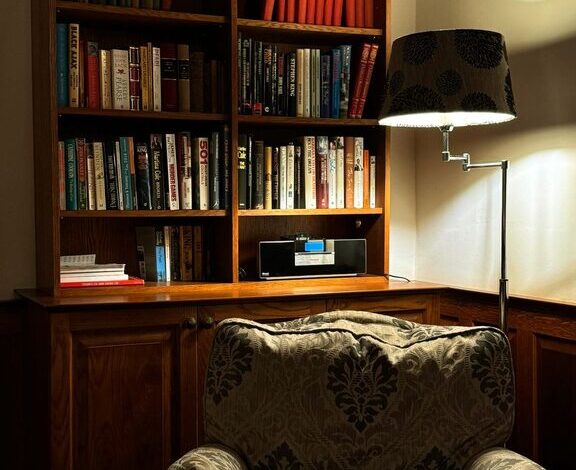
– Soft lighting: Desk lamps or string lights can create a cozy atmosphere without harsh glare.
Minimize Digital Distractions
Technology is essential but can also be a source of interruption.
– Silence unnecessary notifications.
– Use apps or settings to block distracting websites during work hours.
– Keep your phone out of immediate reach when focusing on important tasks.
Incorporate Break Areas
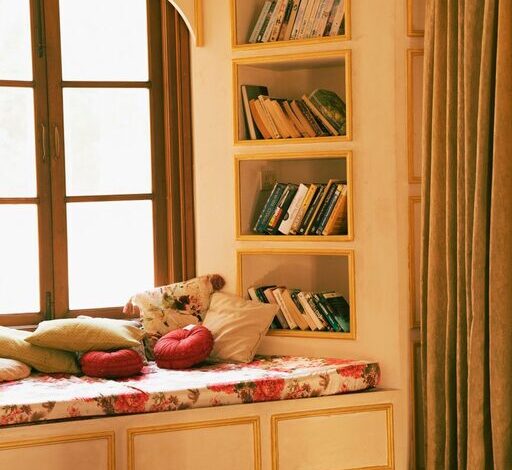
If space allows, create a nook or corner to take short breaks without leaving your home.
– Add a comfortable chair or cushion.
– Use this spot for stretching, reading, or deep breathing exercises.
Maintain Good Air Quality and Temperature
A comfortable environment physically supports your ability to work well.
– Open windows regularly for fresh air.
– Use fans or heaters to keep the temperature comfortable.
– Consider an air purifier if your area tends to be dusty or stuffy.
Establish a Routine
Having a consistent schedule reinforces the workspace as your place for work and helps separate it from relaxation times. Start and finish your workday in this space to build healthy habits.
Conclusion
Designing a relaxing home workspace doesn’t require a lot of space or expensive equipment. By choosing the right location, investing in comfortable furniture, organizing your materials, and creating a calming atmosphere, you can boost your productivity and enjoy your workdays more. Small changes can make a big difference in how you feel and perform while working at home.
Try implementing these tips and see which ones work best for you. A peaceful, functional workspace truly sets the stage for success.