
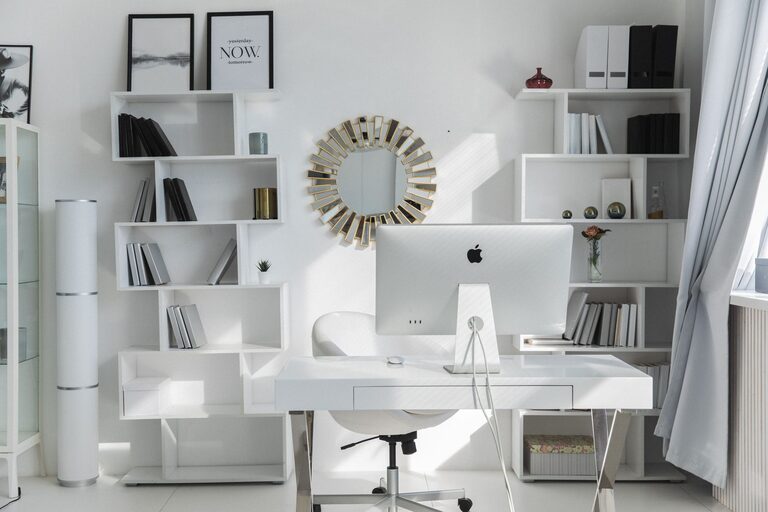
Simple Tips for Organizing Your Workspace to Boost Productivity
Creating an organized workspace can make a significant difference in your daily productivity and overall work experience. Whether you work from home or in an office, having a clutter-free, well-arranged area helps you focus, reduces stress, and makes tasks easier to handle. In this post, we’ll explore simple, practical tips to organize your workspace and boost your productivity.
Why Organize Your Workspace?
A tidy workspace isn’t just about aesthetics. When your desk and surroundings are orderly, your brain can work more efficiently. Clutter and mess can create distractions, making it harder to focus. Organization also saves time—you won’t have to search for essential tools or documents. Plus, a pleasant workspace can increase motivation and creativity.
Step 1: Clear Everything and Start Fresh
Before organizing, clear your workspace completely. Remove all items from your desk and drawers. This might feel overwhelming, but starting with a blank slate helps you evaluate each item’s purpose and necessity.
– Sort items into categories: keep, relocate, or discard.
– Put away things that don’t belong on your desk.
– Throw out or recycle unnecessary papers, broken pens, and old receipts.
Step 2: Keep Only What You Need
Think about the tools and supplies you use daily. Ideally, only keep these within arm’s reach.
– Essential items might include your computer, phone, notepad, and a few writing tools.
– Store less frequently used items, like reference books or extra chargers, in drawers or shelves.
– Use drawer organizers or containers to keep small items like paperclips and sticky notes tidy.
Step 3: Organize with Purpose
Once you have only the necessary items on your desk, arrange them to promote an efficient workflow.
– Position your computer or monitor directly in front of you.
– Keep the most-used supplies on your dominant hand side to minimize reaching.
– Arrange paperwork in trays or folders to avoid piles.
– Use cable organizers to keep wires neat and untangled.
Step 4: Establish Zones
Create specific zones on your desk or in your workspace to designate where different activities happen.
– Work zone: where your computer and main tools are.
– Reference zone: for books, documents, or devices used for reference.
– Supply zone: where pens, paper, and office supplies reside.
– Personal zone: a small space for items that motivate or relax you, like a photo or plant.
Zoning helps your mind switch smoothly between tasks and keeps the desk visually calm.
Step 5: Use Vertical Space
Maximize your workspace by going vertical when possible, especially if you have limited desk space.
– Install shelves to hold documents or decor.
– Use wall-mounted organizers or pegboards for supplies.
– A small wall calendar or whiteboard can help track tasks without cluttering your desk.
Step 6: Maintain Digital Organization
An organized physical workspace complements a tidy digital environment.
– Clear your desktop by organizing files into folders.
– Use productivity apps and digital calendars to keep track of your to-do list.
– Regularly back up important information.
Step 7: Adopt a Daily Reset Routine
To keep your workspace organized, spend a few minutes at the end of each day tidying up.
– Put documents away.
– Clear your desk surface.
– Recharge devices and prepare for the next day.
This routine prevents clutter buildup and sets you up for a productive tomorrow.
Additional Tips
– Choose comfortable furniture: An ergonomic chair and desk height reduce physical strain.
– Good lighting: Use natural light or a quality desk lamp to reduce eye strain.
– Personalize thoughtfully: Adding a plant or artwork can improve mood but avoid excessive decorations that distract.
Conclusion
Organizing your workspace doesn’t have to be complicated or expensive. By clearing clutter, prioritizing essential tools, establishing zones, and maintaining good habits, you can create a calm, efficient environment tailored to your work style. A well-organized workspace helps you focus, work faster, and feel better throughout your day.
Try out these tips and notice how your productivity can improve simply by changing your surroundings. Start small, and build your ideal workspace step by step.